Understanding Uterine Rupture: Causes and Implications
22 June 2024
Blood Group (Rhesus) Incompatibility: What is it and how does it affect the Newborn?
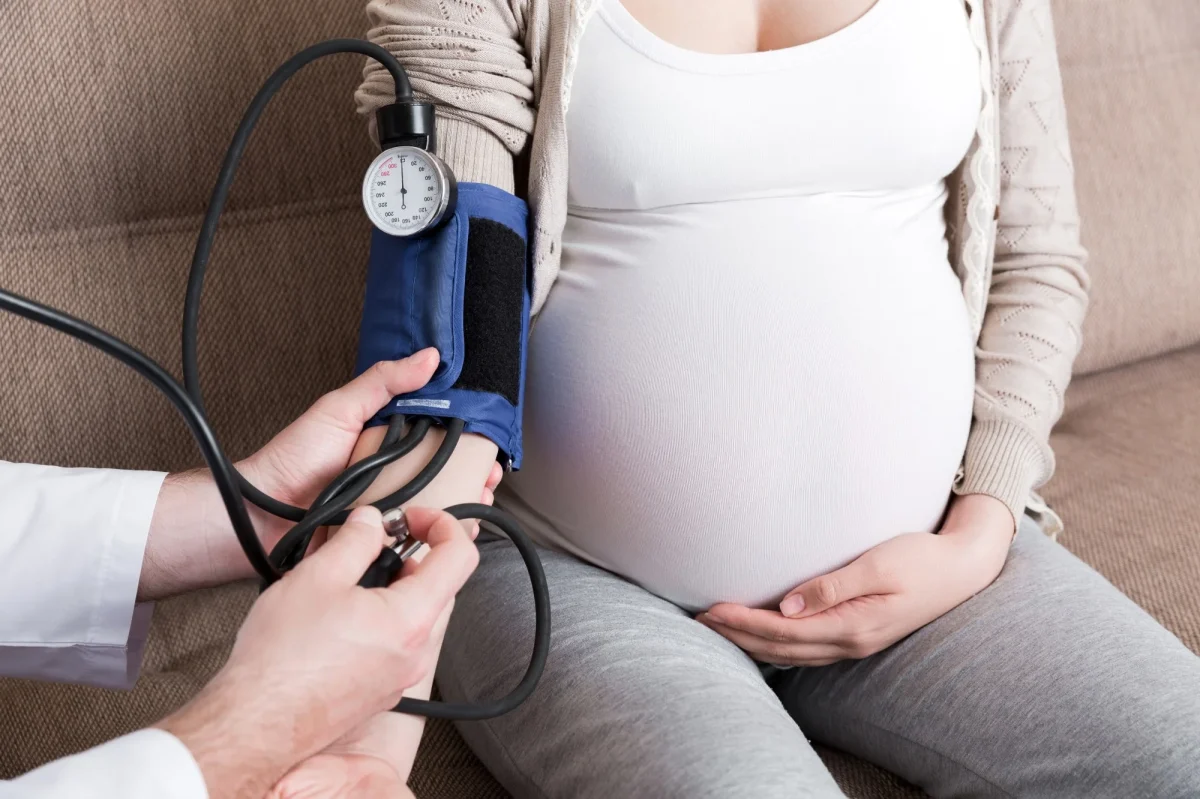
26 June 2024Pregnancy-induced hypertension (PIH), also known as gestational hypertension, is a condition characterized by high blood pressure during pregnancy. It typically arises after the 20th week of pregnancy in women who previously had normal blood pressure. PIH can lead to serious complications for both the mother and the baby if not properly managed.

"Gestational hypertension is a reminder that pregnancy is a time for heightened care and attention to one's health, both physically and emotionally." - Dr. Jane Harris
Causes and Risk Factors of PIH
The exact cause of pregnancy-induced hypertension is not well understood, but several factors may contribute to its development, including:
1. Placental Factors: Abnormalities in the placenta’s development and function can lead to PIH. The placenta may release substances that affect blood vessel function, leading to increased blood pressure.
2. Genetic Factors: A family history of PIH or preeclampsia can increase the risk of developing the condition.
3. Immune System Changes: Alterations in the immune response during pregnancy may contribute to PIH.
Risk Factors
Several risk factors increase the likelihood of developing PIH:
- First Pregnancy: PIH is more common in first-time mothers.
- Age: Women under 20 or over 40 years of age are at higher risk.
- Multiple Pregnancies: Carrying twins, triplets, or more increases the risk.
- Obesity: Overweight and obese women are more likely to develop PIH.
- Pre-existing Conditions: Conditions such as chronic hypertension, diabetes, kidney disease, and autoimmune disorders increase the risk.
- Lifestyle Factors: Smoking, a sedentary lifestyle, and poor diet can contribute to the development of PIH.
Symptoms of PIH
PIH may not cause noticeable symptoms, especially in its early stages. However, as the condition progresses, the following symptoms may appear:
- High Blood Pressure: A blood pressure reading of 140/90 mm Hg or higher on two separate occasions at least four hours apart.
- Swelling: Swelling, particularly in the hands, face, and feet, is common.
- Protein in urine: Presence of protein in the urine, detected through a urine test, can indicate kidney involvement and the onset of preeclampsia.
- Severe Headaches: Persistent, severe headaches that do not go away with usual pain relief methods.
- Vision Changes: Blurred vision, seeing spots or flashing lights.
- Upper Abdominal Pain: Pain in the upper right side of the abdomen.
- Nausea or Vomiting: Unexplained nausea or vomiting.
- Sudden Weight Gain: Rapid weight gain due to fluid retention.
Complications of PIH
If left untreated, PIH can lead to severe complications for both the mother and the baby. These include:
- Preeclampsia: PIH can progress to preeclampsia, characterized by high blood pressure and signs of organ damage, usually involving the liver or kidneys.
- Eclampsia: A severe complication of preeclampsia that includes seizures. It is a medical emergency that can be life-threatening.
- HELLP Syndrome: A severe form of preeclampsia that stands for Haemolysis, Elevated Liver enzymes, and Low Platelet count.
- Placental Abruption: Premature separation of the placenta from the uterus, which can cause severe bleeding and harm the baby.
- Intrauterine Growth Restriction (IUGR): Poor foetal growth due to reduced blood flow to the placenta.
- Preterm Birth: High blood pressure can lead to early delivery to prevent severe complications.
- Foetal Death: Severe PIH can result in stillbirth or neonatal death.
Treatment of PIH
Effective management of PIH is crucial to ensure the safety of both the mother and the baby. Treatment strategies include:
- Regular Monitoring: Frequent prenatal visits to monitor blood pressure, urine protein levels, and foetal well-being.
- Lifestyle Modifications: Bed rest, reducing salt intake, and maintaining a healthy diet and weight.
- Medications: Antihypertensive medications may be prescribed to manage blood pressure. The choice of medication depends on the safety profile for both the mother and the baby.
- Hospitalization: Severe cases may require hospitalization for closer monitoring and management.
- Delivery: In some cases, early delivery may be necessary, particularly if the condition worsens or poses a risk to the mother or baby. The timing and method of delivery depend on the severity of the condition and the gestational age of the foetus.
Prevention of PIH
While PIH cannot always be prevented, certain measures can reduce the risk:
1. Prenatal Care:
- Regular prenatal check-ups to monitor blood pressure and detect any early signs of PIH.
2. Healthy Lifestyle:
- Maintaining a healthy weight, eating a balanced diet, exercising regularly, and avoiding smoking and alcohol.
3. Treat Pre-existing Conditions:
- Controlling chronic health conditions such as diabetes and hypertension before and during pregnancy.
In conclusion
Pregnancy-induced hypertension is a serious condition that requires careful monitoring and management. Early detection and appropriate treatment can significantly reduce the risk of complications for both the mother and the baby. Regular prenatal care, healthy lifestyle choices, and close communication with healthcare providers are essential for managing PIH effectively. By understanding the causes, symptoms, risk factors, and treatment options, expectant mothers can take proactive steps to ensure a healthy pregnancy.
About me


Enim, suscipit egestas nunc morbi hendrerit. Rhoncus libero varius id tristique nam fermentum, tortor tristique odio. Consequat pulvinar at.
Jasmine Thompson
Similar posts
10 August 2024

10 August 2024
Do you like it?
10 August 2024

10 August 2024
Do you like it?
10 August 2024

10 August 2024
Do you like it?
See also
10 August 2024
10 August 2024
10 August 2024
10 August 2024